Carbon Fiber for Automotive: Enhancing Performance & Efficiency — Complete Guide
Technical Insights into Carbon Fiber for Automotive Applications
The automotive sector is increasingly turning to advanced materials to enhance vehicle efficiency and performance. Carbon fiber, known for its remarkable strength-to-weight ratio, is at the forefront of this shift. It offers up to a 60% weight reduction compared to traditional materials, significantly boosting fuel efficiency and overall vehicle dynamics. This article provides an in-depth technical analysis of carbon fiber for automotive uses, focusing on its material properties and engineering applications. Drawing from the extensive expertise of Impact Materials, a leading composite manufacturer with a global footprint, we will explore the critical considerations in selecting high-quality carbon fiber products. With over 400 product variants and a presence in over 120 countries, Impact Materials is equipped to cater to diverse automotive needs.
For detailed specifications and sourcing options, refer to this comprehensive guide on carbon fiber for automotive for more technical context.
Material Properties and Performance of Carbon Fiber in Automotive Design
Strength and Mechanical Properties
Carbon fiber is distinguished by its exceptional mechanical attributes, making it ideal for automotive engineering. Typically, carbon fibers provide tensile strengths ranging from 400 to 700 MPa, with a modulus of elasticity reaching approximately 240 GPa. These properties enable the construction of components that are both lightweight and robust, essential for high-performance automotive designs.
- Tensile strength: Approximately 600 MPa (e.g., 3K Twill Carbon Fiber)
- Density: Around 1.6 g/cm³
- Thermal resistance: Effective up to 150°C
- Superior fatigue resistance
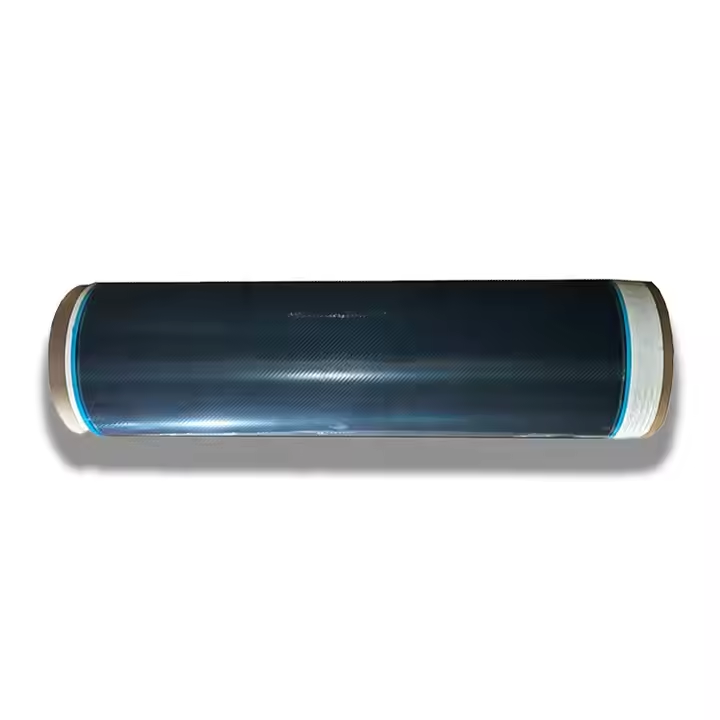
Utilizing materials like the 3K Twill Carbon Fiber Fabric Epoxy Resin Prepreg is crucial for reliable automotive applications due to its high-performance characteristics.
Efficiency and Weight Reduction
The primary advantage of deploying carbon fiber in automotive engineering is its capacity to significantly decrease vehicle weight without affecting structural integrity or safety standards. This weight reduction leads to improved fuel economy and reduced emissions, in line with global sustainability initiatives. According to ISO 14125 testing, carbon fiber components can achieve up to a 50% reduction in weight compared to steel counterparts.
| Material | Tensile Strength (MPa) | Density (g/cm³) |
|---|---|---|
| Carbon Fiber | 600 | 1.6 |
| Aluminum | 310 | 2.7 |
| Steel | 500 | 7.8 |
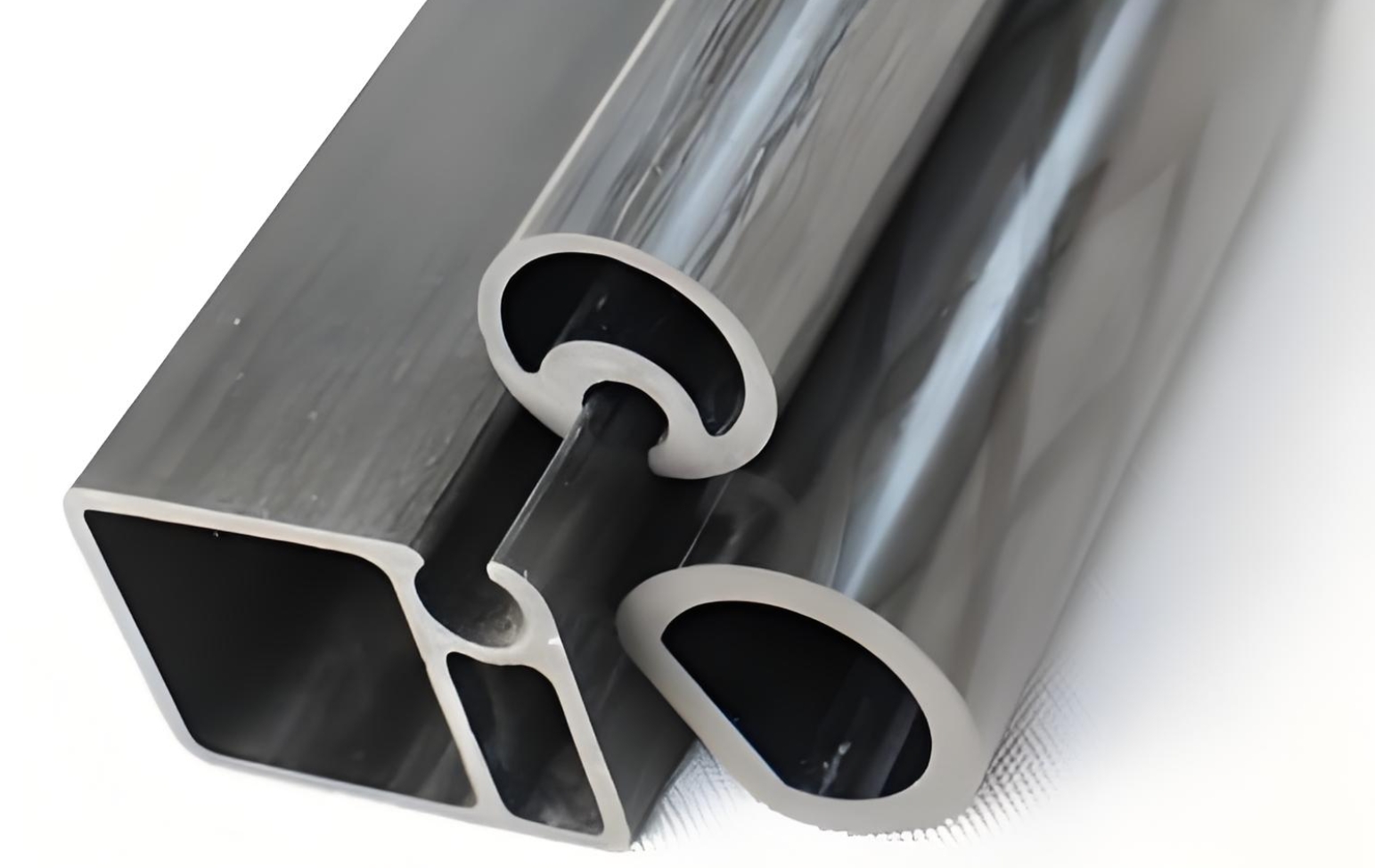
For specialized structural needs, Impact Materials offers solutions such as the Special Section Pultruded Carbon Fiber Rod, perfectly suited for automotive structural components.
Specific Uses of Carbon Fiber in Automotive Engineering
Interior Applications
Carbon fiber’s functional and aesthetic qualities make it a popular choice for automotive interiors. Components such as dashboards, door panels, and seat frames benefit from the material’s sleek look and robust build. Products like the Matte / Glossy Pultrusion Carbon Composite Material CFRP Carbon Fiber Square Pipe are frequently selected for these applications, offering a combination of visual appeal and structural resilience.
Structural and Exterior Components
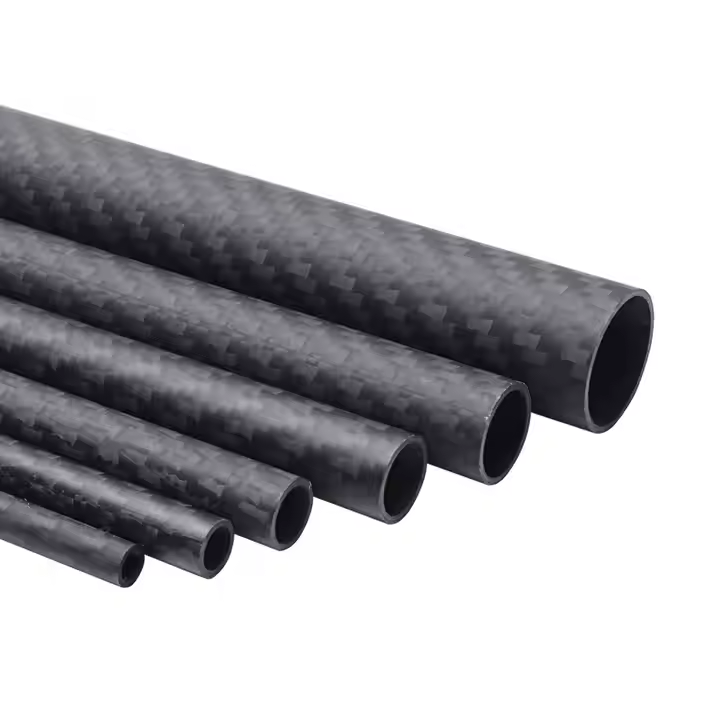
The use of carbon fiber extends to various structural and exterior automotive parts, including body panels, hoods, and aerodynamic components like spoilers. These elements benefit from carbon fiber’s outstanding strength-to-weight ratio and resistance to environmental factors. The Round Rod Carbon Composite Material is a common choice for such applications, ensuring enhanced performance and durability.
Featured Carbon Fiber For Automotive Products
Discover top-rated carbon fiber for automotive products from Impact Materials, a trusted choice among manufacturers in more than 120 countries.
Optimizing Carbon Fiber Sourcing for Automotive Applications
Criteria for Supplier Evaluation
When selecting a source for carbon fiber, it is vital to assess suppliers based on experience, quality certification, and customization capabilities. Impact Materials, holding ISO 9001 certification, offers assurance of quality and reliability backed by extensive industry experience and a global service footprint. For professionals seeking a dependable carbon fiber for automotive supplier, these factors should guide decision-making.
To explore advanced carbon fiber solutions tailored for automotive needs, visit Impact Materials for carbon fiber for automotive solutions and leverage their expertise for your next project.
